How Regular Grooming Improves Your Cat’s Health and Happiness
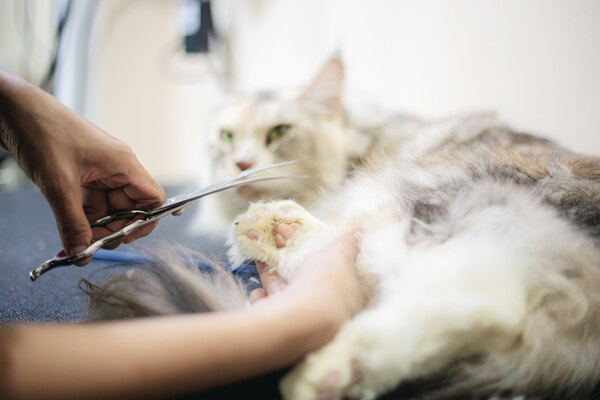
Regular grooming is about much more than keeping your cat looking cute. It’s a simple routine that directly supports their physical health, emotional well‑being, and the bond you share together. Even if your cat is a fastidious self‑groomer, your help fills in important gaps that they can’t manage on their own.
Below are the key ways grooming improves your cat’s health and happiness, plus practical tips to make it a positive experience for both of you.
1. Healthier Skin and Coat
Reduces shedding and hairballs
Brushing removes loose fur before your cat swallows it while licking. Less loose fur means:
- Fewer hairballs
- Less vomiting and discomfort
- Lower risk of serious blockages from ingested hair, especially in long‑haired breeds
Prevents mats and tangles
Mats are tight clumps of fur that pull on the skin and can:
- Cause pain and irritation
- Hide wounds, parasites, or skin infections
- Trap dirt, urine, or feces, leading to skin inflammation
Regular brushing keeps the coat smooth, distributes natural oils, and improves circulation to the skin, leaving it shinier and healthier.
2. Early Detection of Health Problems
Grooming doubles as a gentle home health check. While brushing or handling your cat, you’re more likely to notice:
- Lumps, bumps, or swellings
- Scabs, bald patches, or redness
- Fleas, ticks, or flea dirt (small black specks)
- Unusual odors from the skin, ears, or mouth
- Pain or sensitivity when certain areas are touched
Catching issues early often means easier treatment, less discomfort for your cat, and lower vet bills. A few seconds feeling along the spine, belly, tail, and legs during grooming can be surprisingly informative.
3. Improved Comfort and Mobility
Especially important for seniors and overweight cats
Older, arthritic, or overweight cats often struggle to reach some areas of their body, especially the lower back and base of the tail. This can lead to:
- Greasy, unkempt fur
- Dandruff and skin irritation
- Mats that tug when they move
Helping groom those “hard‑to‑reach” areas keeps them more comfortable and can prevent painful skin problems.
Supports natural flexibility
Gentle handling and stretching during grooming can encourage normal movement patterns. It doesn’t replace medical care, but it helps you notice early signs of stiffness or pain when jumping, turning, or grooming themselves.
4. Better Nail and Paw Health
Nail trims are part of grooming and are crucial for indoor cats.
Benefits include:
- Preventing overgrown nails that curl into the paw pads and cause pain or infection
- Reducing the risk of claws getting snagged in fabrics or carpets
- Helping elderly cats who don’t wear down their nails as much through play and scratching
Regular paw checks during grooming also allow you to spot:
- Cuts or foreign objects between the toes
- Redness or swelling around the claws
- Signs of pododermatitis (inflamed paw pads)
5. Cleaner Ears and Eyes
Grooming is a natural time to quickly look at your cat’s ears and eyes.
- Ears: A healthy ear is pale pink inside, with minimal wax and no strong odor. Regular checks help you spot:
- Ear mites
- Infections (redness, bad smell, dark debris)
- Excess wax buildup
- Eyes: Gentle wiping of mild discharge from the corners of the eyes helps prevent crusting and irritation. While doing so, you can detect:
- Redness, cloudiness, or squinting
- Excess tearing or thick discharge
These early observations can lead to faster veterinary attention if something is wrong.
6. Stress Reduction and Emotional Well‑Being
Thoughtful grooming can be deeply calming for many cats. The repetitive, gentle strokes of brushing can:
- Lower stress levels
- Provide pleasant, predictable one‑on‑one time
- Mimic aspects of allogrooming (cats grooming each other), which is a social bonding behavior in feline groups
A relaxed, regularly groomed cat often:
- Hides less
- Is more confident with human touch
- Is easier to handle at the vet or during necessary treatments
For anxious cats, short, positive grooming sessions can become a soothing ritual, especially if paired with calm voices and soft treats.
7. Stronger Bond Between You and Your Cat
Grooming is a form of communication. When done gently and respectfully, it tells your cat:
- “You’re safe with me.”
- “I’m paying attention to you.”
- “We share this quiet time together.”
Many cats start to seek out grooming sessions, rubbing against the brush or jumping into your lap at the usual time. Over time, they learn to trust your touch, which:
- Makes medication, checks, and transport easier
- Deepens your emotional connection
- Helps shy or formerly feral cats accept handling
8. A Cleaner Home Environment
While not directly related to your cat’s internal health, regular grooming benefits their environment, which impacts well‑being.
- Less loose hair floating around means cleaner air and fewer fur clumps on furniture
- Reduced dander may help household members with mild allergies
- A clean, mat‑free cat is less likely to track debris, litter, or feces around the home
A fresher environment can reduce stress for both you and your cat, supporting a calmer household overall.
9. How Often Should You Groom?
The ideal routine depends on your cat’s coat type, age, and health:
- Short‑haired cats:
- Brushing: 1–2 times per week
- Nail trims: Every 3–6 weeks, depending on growth
- Medium and long‑haired cats (Persian, Maine Coon, Ragdoll, etc.):
- Brushing: Daily or every other day to prevent mats
- Regular checks for tangles behind ears, under legs, around the tail
- Senior, overweight, or disabled cats:
- Slightly more frequent assistance, especially on the back, hindquarters, and belly area
Your cat’s behavior can guide you; if you’re frequently finding mats or hairballs, it’s a sign grooming should happen more often.
10. Making Grooming a Positive Experience
Grooming should never feel like a battle. To keep your cat happy:
- Start with short sessions—just a minute or two at first
- Use the right tools for their coat type (a soft brush for beginners or sensitive cats)
- Focus on areas they like being touched (cheeks, neck, along the back) before moving to more sensitive spots
- Offer treats and calm praise during and after grooming
- Stop before your cat becomes restless or irritated
Over time, this approach turns grooming into something your cat associates with comfort and rewards, not stress.
Consistent, gentle grooming is one of the simplest ways to protect your cat’s physical health and strengthen your emotional bond. By taking a few minutes on a regular basis to brush, check, and care for their coat, skin, nails, ears, and eyes, you help ensure your cat stays healthier, more comfortable, and genuinely happier throughout their life.