Seasonal Pet Grooming Guide: Keeping Your Dog Comfortable Year‑Round
Seasonal changes affect your dog more than you might think. Temperature, humidity, allergens, and daylight all influence their coat, skin, and overall comfort. A smart grooming routine that shifts with the seasons helps prevent skin problems, reduces shedding, and keeps your dog happy and healthy all year.
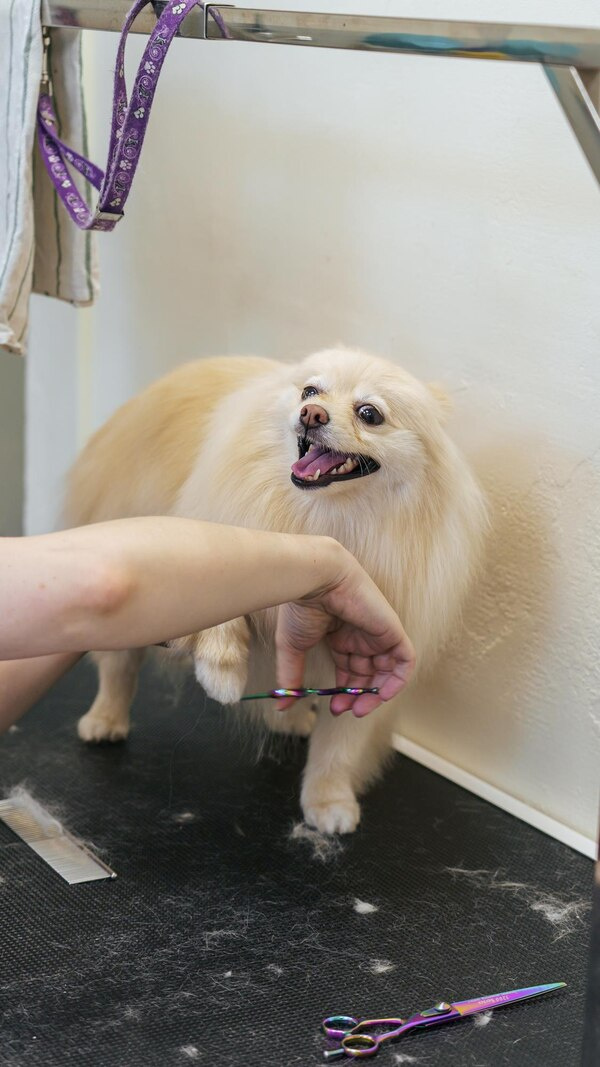
Below is a practical, season‑by‑season guide you can adapt to your dog’s breed, age, and lifestyle.
General Principles for Year‑Round Grooming
Before diving into specific seasons, a few baseline habits make everything easier:
- Brushing
- Short coats: 1–2 times per week.
- Medium/long coats: at least 3 times per week.
- Double coats (e.g., Huskies, German Shepherds): several times per week, daily during shedding seasons.
- Bathing
- Typically every 4–8 weeks, unless your vet advises otherwise.
- Use dog‑specific, pH‑balanced shampoo; human shampoo can irritate their skin.
- Nails
- Trim every 3–4 weeks or as needed. Nails should not click loudly on floors.
- Ears
- Check weekly for redness, odor, or discharge. Clean with vet‑recommended ear cleaner.
- Teeth
- Brush several times a week using dog toothpaste.
Breed, lifestyle (indoor vs outdoor, swimming, hiking), and health all matter, so adjust frequency with your vet’s input.
Spring: Managing Shedding and Allergies
Spring is prime “blow coat” season for many dogs. As they shed their winter undercoat, grooming is crucial to prevent matting and skin irritation.
Key Goals in Spring
- Remove loose undercoat and dead hair.
- Support healthy skin through increased environmental allergens.
- Keep your dog clean but not over‑bathed.
Spring Grooming Checklist
1. Brushing and De‑Shedding
- Increase brushing frequency, especially for double‑coated breeds.
- Tools:
- Slicker brush for detangling and surface hair.
- Undercoat rake or de‑shedding tool for dense coats.
- Comb for long, fine hair to find hidden tangles.
- Brush in sections, down to the skin, but avoid scratching the skin with too much pressure.
2. Bathing
- Bathe at the start of heavy shedding with a gentle or hypoallergenic shampoo.
- Thoroughly rinse to avoid residue that can worsen itchiness.
- Dry completely, then brush out loosened hair.
3. Paws and Allergens
- Wipe paws and belly after walks (especially if your dog licks their feet or has allergies).
- Consider a mild, vet‑approved wipe or just a damp cloth.
4. Allergic Skin Support
- Check frequently for:
- Redness, hot spots, or constant scratching.
- Ear redness and odor (allergy‑linked ear infections are common).
- Ask your vet about:
- Medicated or soothing shampoos (oatmeal, aloe, or prescription).
- Flea/tick prevention, as parasites increase with warmth.
Summer: Heat, Sun, and Hydration
Hot weather can make dogs uncomfortable and can quickly become dangerous. Grooming in summer is about cooling, protecting skin, and preventing pests.
Key Goals in Summer
- Prevent overheating and heatstroke.
- Protect skin from sunburn and irritation.
- Control fleas, ticks, and other parasites.
Summer Grooming Checklist
1. Coat Management (Don’t Over‑Trim Double Coats)
- For most double‑coated breeds, avoid shaving. Their coat:
- Insulates against heat.
- Protects skin from sunburn and biting insects.
- Instead:
- Thorough, regular brushing to remove trapped undercoat.
- Light trimming of feathering around paws, hocks, and sanitary areas.
- For single‑coated or curly breeds (e.g., Poodles, many doodles):
- Shorter summer trims can improve comfort and hygiene, but leave enough length to protect the skin.
2. Bathing
- Slightly more frequent baths if your dog swims, hikes, or gets dirty often.
- Rinse thoroughly after pool or ocean swims to remove chlorine or salt.
- Use moisturizing shampoo if bathing often to avoid dry, flaky skin.
3. Paws and Surfaces
- Check pads for cracks or burns from hot pavement or sand.
- Keep fur between paw pads tidy, not completely shaved, to reduce matting and debris.
- Test ground temperature: if it’s too hot for your palm after a few seconds, it’s too hot for your dog’s paws.
4. Ear Care for Swimmers
- Dry ears well after swimming, especially in floppy‑eared breeds.
- Use a vet‑approved drying ear solution if your dog swims frequently.
5. Parasite Protection
- Maintain year‑round flea and tick prevention; parasites peak in warm months.
- Check for ticks after walks, especially around ears, neck, armpits, and between toes.
Autumn: Transition and Coat Preparation
Fall is a transitional season. Many dogs grow a thicker coat in preparation for colder weather, and shedding can occur as summer hair is replaced.
Key Goals in Autumn
- Manage transitional shedding.
- Prepare the coat and skin for drier, colder months.
- Maintain paw and nail care as outdoor conditions change.
Autumn Grooming Checklist
1. Brushing and Shedding Control
- Continue regular brushing to remove loose hair and prevent mats.
- For long or double coats, pay attention to:
- Behind ears.
- Under armpits.
- Around collar and harness areas where friction causes tangles.
2. Bathing and Skin Moisture
- Begin shifting to more moisturizing shampoos if your climate gets dry.
- Avoid frequent hot‑water baths, which can strip natural oils.
3. Nail and Paw Care
- Dogs may be less active outside as temperatures drop, so nails might wear down less naturally.
- Maintain regular nail trims; long nails alter gait and can cause joint stress.
- Start using paw balms if your area uses salt or chemicals on roads and sidewalks once winter hits.
4. Clean‑Up Grooming
- Trim sanitary areas and tidy feathering that collects mud and leaves.
- Check and comb out burrs, foxtails, and plant material after walks; they can cause skin wounds or migrate into ears, nose, or paws.
Winter: Cold, Dry Air, and Indoor Time
Winter brings low humidity, cold winds, and more time indoors with heating—all of which can dry out your dog’s skin. Snow, ice, and de‑icing salts can also damage paws.
Key Goals in Winter
- Protect skin and paws from dryness and chemicals.
- Maintain a functional, protective coat.
- Keep your dog clean despite wet and muddy conditions.
Winter Grooming Checklist
1. Coat Care (Avoid Close Shaves)
- Do not shave your dog close to the skin in winter, even for many grooming‑dependent breeds. They need insulation.
- Opt for:
- Neat trims to prevent matting, especially on long coats.
- Regular brushing to prevent tangles under winter sweaters or coats.
- If your dog wears clothing:
- Remove and brush the coat daily where fabric rubs (neck, chest, armpits) to prevent mats and skin irritation.
2. Bathing
- Stretch baths a bit (if your dog’s skin tolerates it) to avoid stripping oils.
- Use lukewarm—not hot—water.
- Always dry your dog thoroughly before going outside in cold weather.
3. Paw Protection
- Trim hair between paw pads just enough to reduce ice balls forming, but don’t over‑trim.
- Use dog‑safe paw balm before and after walks where salt or de‑icers are used.
- Rinse or wipe paws after walks to remove chemicals and prevent licking/irritation.
- Inspect pads for cracks, cuts, and redness regularly.
4. Skin and Static
- Use a humidifier indoors if the air is very dry.
- For dogs prone to static and flyaway hair, a light, pet‑safe conditioning spray before brushing can help.
Special Considerations by Coat Type
Adjust seasonal grooming to your dog’s specific coat:
Short, Smooth Coats (e.g., Beagle, Boxer, Doberman)
- Less prone to matting but still shed heavily.
- Focus on:
- Regular brushing with a rubber curry or bristle brush.
- Skin checks for dryness, flakes, or bumps.
- Extra warmth in winter; these dogs chill easily.
Double Coats (e.g., Husky, Golden Retriever, German Shepherd)
- Heavy shedding in spring and fall.
- Do:
- Frequent de‑shedding and undercoat raking during seasonal sheds.
- Don’t:
- Shave them unless medically necessary; it can damage coat quality and reduce natural temperature regulation.
Long, Silky Coats (e.g., Yorkshire Terrier, Maltese)
- Prone to tangles year‑round.
- Daily brushing and regular trimming, regardless of season.
- Use conditioning sprays to protect fragile hair.
Curly or Wavy Coats (e.g., Poodle, Bichon, doodle mixes)
- Hair grows continuously; professional grooming every 4–8 weeks.
- Seasonal adjustments:
- Slightly shorter trims for easier drying in wet seasons.
- Avoid extremely short cuts in winter; use coats instead.
Hairless or Very Thin Coats (e.g., Chinese Crested, some Greyhounds)
- High risk of sunburn in summer and cold stress in winter.
- Summer:
- Dog‑safe sunscreen on exposed areas.
- Winter:
- Warm clothing and limited time outdoors in freezing weather.
- Gentle, moisturizing skin care year‑round.
When to See a Professional Groomer
A professional groomer can be especially helpful:
- At the start of a major seasonal change (spring/fall) to reset the coat.
- If your dog’s coat is matted or impacted.
- For breeds requiring specific trims (Poodles, terriers, many companion breeds).
- If your dog is anxious or difficult to handle during grooming.
Look for a groomer who:
- Asks about your dog’s health and lifestyle.
- Is comfortable working with your dog’s specific breed.
- Communicates clearly about what they will and won’t do (e.g., shaving double coats, handling older or anxious dogs).
Health Red Flags to Watch for During Grooming
Grooming time is also health check time. Contact your vet if you notice:
- Persistent itching, licking, or chewing.
- Bald patches, hot spots, or scabs.
- Strong ear odor, discharge, or head shaking.
- Sudden changes in coat quality (greasy, brittle, patchy).
- New lumps, bumps, or areas of pain when touched.
Building a Simple Year‑Round Routine
You can keep it manageable with a basic rotation:
- Daily: Quick visual check; brush if your dog needs frequent grooming.
- Weekly: More thorough brush, ear check, paw inspection.
- Monthly: Nail trim, bath (timing may shift a bit seasonally).
- Seasonally: Adjust frequency and tools; consider a professional groom at major transitions.
With small, consistent habits that change slightly from season to season, you’ll keep your dog comfortable, reduce shedding in your home, and catch potential issues early—helping them stay healthy and content all year round.